
Break Free: How Hypnosis Can Help You Break Bad Habits for Good
We all have habits we wish we could break — biting our nails, smoking, overeating, procrastinating, or reaching for our phones every five minutes. Most of us have tried to quit these habits at some point, often with willpower alone. Sometimes it works. Often, it doesn’t.
That’s because habits don’t just live in the conscious mind — they’re wired deep into our subconscious, unconscious monkey brain or whatever you like to call it. That’s where hypnosis can help.
What Is Hypnosis?
Hypnosis is a state of focused attention, heightened suggestibility and a belief that something magical is going to happen, it’s a natural, altered state of consciousness where your critical, analytical mind takes a back seat — allowing you to access the deeper layers of your subconscious. That inner part of the mind that knows everything about you, right down to the last little detail.
In the state of hypnosis, you’re more open to positive suggestions, tweaking of the subconscious and new ways of thinking. That’s what makes hypnosis such a powerful tool for changing long-standing behaviors.

Why Bad Habits Are So Hard to Break
Habits form because the brain loves efficiency. When you repeat a behavior enough times, your brain wires it in to save energy. That’s why you can drive home from work without thinking about each turn — your brain is running on autopilot. This is also true of habit creating, sometimes also created due to trauma and stress. The subconscious believes it is adding something that is relieving the symptom. Cause and effect.
The challenge? Your subconscious doesn’t distinguish between “good” and “bad” habits. It simply remembers the habit and repeats it.
This is why habits often persist even when your conscious mind wants to change. Hypnosis helps bridge the gap.
How Hypnosis Helps Break Habits
Hypnosis works by:
- Accessing the subconscious mind where habits are rooted
- Identifying triggers that lead to the unwanted behavior
- Reframing thought patterns and emotional associations
- Reinforcing new, healthier behaviors

For example, a person trying to quit smoking might use hypnosis to:
- Break the mental association between smoking and stress relief
- Create a new subconscious connection between calmness and deep breathing
- Visualize themselves as a healthy, smoke-free person
Real-world Results:
- A 2019 systematic review found hypnotherapy effective for smoking cessation.
(Schnur & Montgomery, 2019, American Journal of Clinical Hypnosis)
- Hypnosis has shown success in reducing emotional eating and sugar cravings, helping individuals lose weight and maintain weight loss.
(Barabasz & Spiegel, 1989; Kirsch, Montgomery, & Sapirstein, 1995)
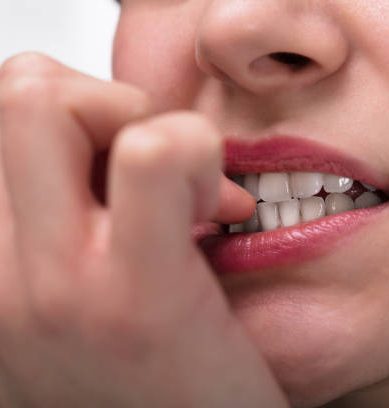
- In clinical trials, hypnosis outperformed standard treatments for nail-biting (onychophagia), with one study showing long-term cessation in over 50% of participants.
(Graham & Millichamp, 1981)
Common Habits Hypnosis Can Help Break
Hypnosis has been successfully used to address a wide range of habits, including:
- Smoking
- Nail biting
- Overeating or sugar cravings
- Excessive screen time
- Hair pulling (trichotillomania)
- Procrastination
- Alcohol consumption
- Negative self-talk
While results vary from person to person, many people report significant improvements after just one session — and often, with long-term effects.

What to Expect in a Hypnosis Session
A professional hypnotherapist will typically begin with a consultation to understand your habit, your goals, and any emotional or situational triggers. From there, you will be guided into hypnosis and any possible underlying trauma teased out with the use of carefully chosen suggestions and imagery to rewire your subconscious responses.
You remain in control the entire time — hypnosis is a collaborative process, not something that’s “done to you.”
Some people also use self-hypnosis techniques, such as guided recordings, breathwork, and visualization exercises, to reinforce changes between sessions.

Is Hypnosis Right for You?
If you’ve tried breaking a habit and found yourself falling back into old patterns, hypnosis could be the missing piece. It’s not a magic bullet — but it is a tool that works with your mind, not against it with no side effects.
As with any therapeutic approach, it’s important to work with a certified hypnotherapist who understands your specific needs and tailors their approach accordingly.
Final Thoughts
Breaking a habit isn’t just about willpower — it’s about changing the way your mind is wired. Hypnosis offers a gentle, focused, and effective path to lasting change by working directly with the part of your mind that habits live in.
Whether you’re looking to quit smoking, conquer emotional eating, or simply stop biting your nails, hypnosis could be the go-to solution for fast and effective results.
References
- Schnur, J. B., & Montgomery, G. H. (2019). Hypnosis and smoking cessation: A review. American Journal of Clinical Hypnosis.
- Graham, L., & Millichamp, J. (1981). Hypnosis and behavior therapy in the treatment of onychophagia: A comparative study. American Journal of Clinical Hypnosis.
- American Psychological Association. (2014). Definition of hypnosis – Division 30.
Curious about how hypnotherapy could help you? Book a session or get in touch today — let’s explore the science of change, together. 🧘♀️✨
